WHAT IS CLIMATE CHANGE?
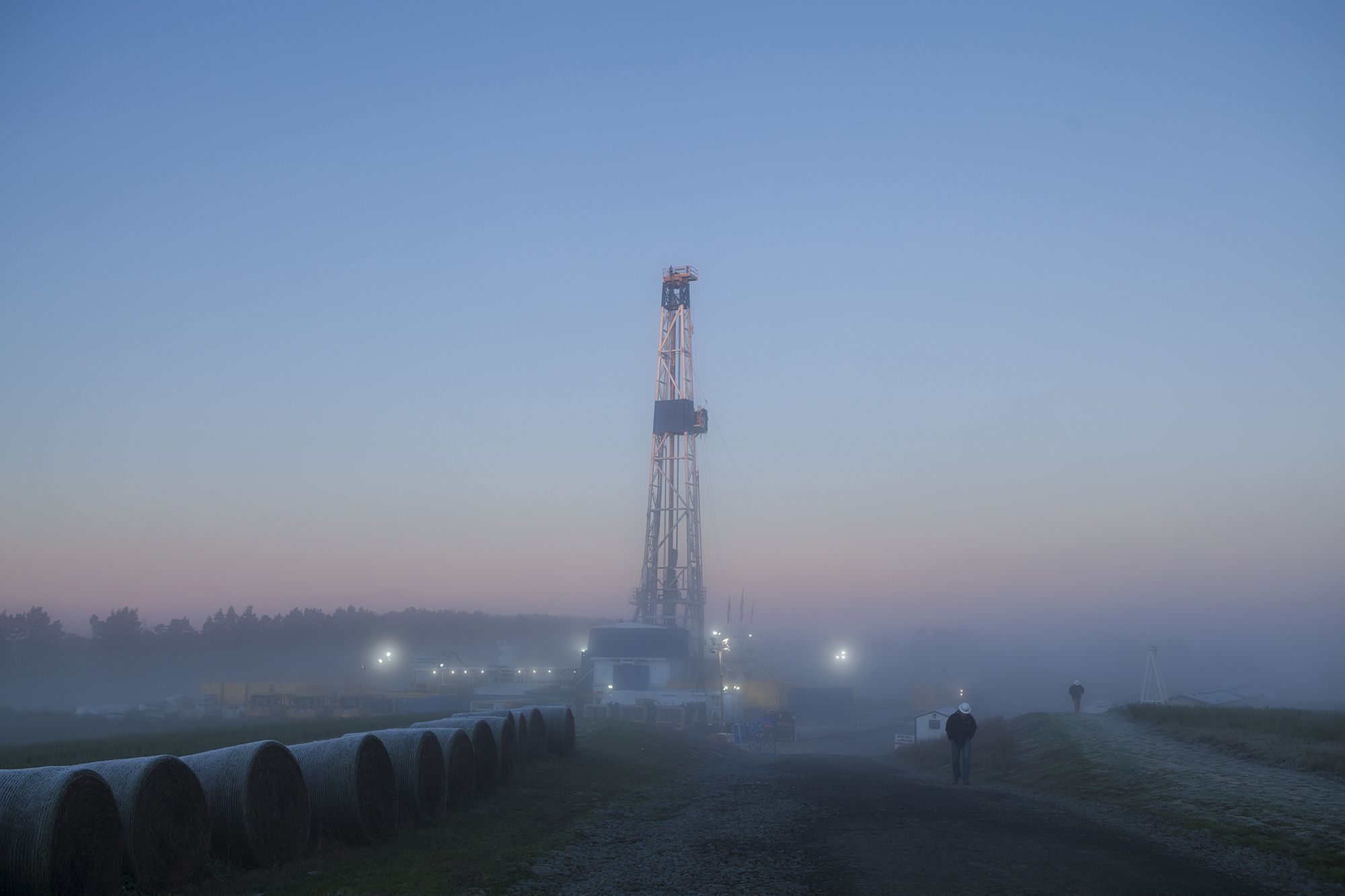
Climate change refers to long-term shifts in temperatures and weather patterns. These shifts may be natural, such as through variations in the solar cycle. But since the 1800s, human activities have been the main driver of climate change, primarily due to burning fossil fuels like coal, oil and gas.
Fossil fuel combustion produces greenhouse gas emissions, which act like a blanket over the Earth, trapping the sun's heat and boosting temperatures.
Carbon dioxide and methane, for example, are examples of greenhouse gas emissions that cause climate change. These are produced by, for example, utilizing gasoline to drive a car or coal to heat a structure. Carbon dioxide is also released when land and forests are cleared. Methane emissions are generated mostly by waste dumps. Among the major emitters are energy, industry, transportation, buildings, agriculture, and land use.
Learn more about..

Learn more about..

Climate is frequently confused with weather. Climate, on the other hand, differs from weather in that it is measured over time, whereas weather can fluctuate from day to day or year to year. Seasonal temperature and rainfall averages, as well as wind patterns, make up an area's climate. Climates differ depending on where you are. A desert, for example, has an arid climate because it receives little water in the form of rain or snow throughout the year. Tropical climates, which are hot and humid, and temperate climates, which have warm summers and milder winters, are two more types of climate.
Climate change is a long-term shift in a place's temperature and usual weather patterns. Climate change can relate to a specific place or the entire world. Weather patterns may become less predictable as a result of climate change. Because projected temperature and rainfall levels can no longer be depended upon, these unpredictable weather patterns might make it difficult to sustain and develop crops in farming-dependent regions. Other harmful weather occurrences linked to climate change include more frequent and more violent hurricanes, floods, downpours, and winter storms.
Warming global temperatures linked to climate change have caused ice sheets and glaciers in the polar regions to melt at a faster rate from season to season. As a result, sea levels are increasing in many parts of the world. Increased floods and erosion have begun to affect coasts as a result of increasing sea levels and expanding ocean waters owing to rising temperatures.
Human activity, such as the combustion of fossil fuels like natural gas, oil, and coal, is primarily to blame for present climate change. When these materials are burned, greenhouse gases are released into the environment. The heat from the sun's rays is trapped inside the atmosphere, causing the Earth's average temperature to rise. Global warming is the term for the increase in the planet's temperature. Climate change has an influence on local and regional climates. Climate has fluctuated dramatically over Earth's history. When this happens naturally, it's a long, laborious process that takes hundreds of thousands of years. Climate change induced by humans is currently occurring at a considerably quicker rate.

WHAT'S HAPPENING & WHY?

Researchers from all across the globe have observed rises in temperature at the Earth's surface, as well as in the atmosphere and seas, in tens of thousands of investigations. Many other components of the global climate are also shifting. Temperature extremes and heavy precipitation events are becoming more common, while glaciers and snow cover are diminishing and sea ice retreats. Seas are warming, rising, and getting more acidic, and coastal flooding is becoming more common. Growing seasons are longer, typhoons are stronger, and big wildfires are more common. As a result of climate change, many species are migrating to new sites, and the seasonal timing of crucial biological activities is changing.
These trends are all consistent with a warming world and are expected to continue.
Many lines of evidence show that human actions, particularly the emissions of heat-trapping greenhouse gases from fossil fuel burning, deforestation, and land-use change, are the primary cause of climate change in the industrial age, particularly during the last six decades. Carbon dioxide levels in the atmosphere, the most significant contribution to human-caused warming, have risen by around 40% since the industrial revolution. This shift has exacerbated the natural greenhouse effect, resulting in unprecedented global surface temperature rises and other broad climatic changes in the history of human civilization.
Human-caused greenhouse gas emissions will continue to have an impact on Earth's climate for decades, if not centuries. Humans are adding carbon dioxide to the atmosphere at a pace considerably larger than natural processes are removing it, resulting in a long-lived carbon dioxide reservoir in the atmosphere and seas that is driving the climate to a warmer and warmer state.